January 3rd, 2009

The Tenderest Tenderloin — Is That a Word?

tips2 

While we were on our holiday vacation Sandy prepared a number of meals that dazzled us all.

I helped if you count handing her a spatula and stirring sauces while sneaking tastes as “helping.”
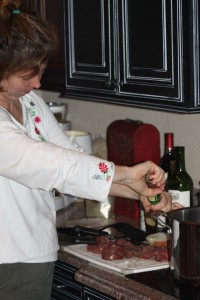
<em><strong>Sandy seasoning the meat</strong></em>

Sandy seasoning the meat

I did soak it in and I learned quite a bit — as I always do around her. So, she’s written down her “tips” for making the most tender of tenderloin tips in a delicious red wine sauce. Now we can all refer back to her thoughts when we’re in our own kitchens trying to recreate the yummy goodness she masterfully put together.

These really were so flavorful and the smell filled the house with great anticipation before the meal was ready. We didn’t have to find anyone to tell them dinner was on. They were all salivating around the periphery of the kitchen, waiting to pounce.

May your crowd do the same!

Here’s what Sandy says . . .

This is one of those really flavorful quick dishes that you can prepare pretty easily with a great cut of meat like tenderloin tips.  This recipe can also be prepared with a tougher cut of meat (i.e. stew meat) but the meat would have to simmer for 2-3 hours in the sauce in order to tenderize it.  In the following recipe, the tenderloin tips are browned first in batches to insure a good crust on each piece of meat.  When the sauce is totally finished and the side dishes are completed, table set, etc. the meat is added to the sauce just for a few minutes to re-warm and to cook to desired doneness.

When browning the ingredients, using a lower (medium) heat is intended to prevent the bottom of the pan from getting too brown or burning.  If at any point the fond (that brown stuff on the bottom of the pan) is getting really brown, go ahead and use a little wine to deglaze the pan.  Just pour in a little, use a wooden spoon to loosen all the brown bits.  Pour this liquid in the casserole dish with the ‘done’ items – it will become part of the delicious sauce.  If the fond gets really dark, smells burned or even just starts to burn, use water to deglaze the pan, and just dump this little bit of liquid into the sink.  Clean the pan well and then add fresh oil, heat to smoking and begin again.  You never want to cook meat in a pan that already has burned on the bottom, and you don’t want to make a sauce from a burned fond.  You are building up layers of flavor, and the burned flavor will overpower all. 
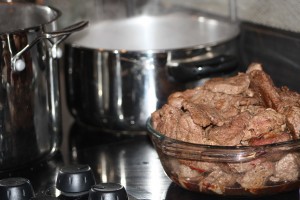
Beef ready to be added to sauce

If you do choose to prepare with a different cut of meat which requires longer cooking, reserve the bacon, adding it just before serving (or leave it out).


Tenderloin Tips with Red Wine Sauce
 

(Serves 10)

6 slices bacon, cut into 1 in pieces

1 large onion, diced

8oz mushrooms, sliced

Canola or vegetable oil as needed

3 # Tenderloin Beef Tips, cut into like-sized pieces

Kosher Salt, pepper

1-2 cups of a nice quality fruity red wine, i.e. Merlot or Pinot Noir

2 ½ cups good quality well seasoned beef stock (2 cans Campbell’s Beef Consommé)

3 Tbsp Flour

4 Tbsp Water

In a heavy-bottomed large pan over medium heat, brown bacon pieces.  When they are crispy and brown, remove to a glass casserole.  Add onions to the bacon fat mixture and cook until golden brown.  Add mushrooms, seasoning with 1 teaspoon salt and a few grinds of fresh pepper.  When mushrooms are thoroughly cooked, remove to glass casserole dish with the bacon pieces.   Turn heat up to medium high and add about a teaspoon of canola oil, or enough to lightly coat bottom of the pan.  Season beef with salt and pepper, add first batch of beef pieces, only enough to barely cover bottom of pan.  Each piece should have its own piece of pan ‘real estate’ to cook in.  Allow to brown on first side for 1-3 minutes, or until nice and brown, then turn carefully with tongs.  When beef is brown on all sides, remove to casserole dish.  Repeat with remaining beef until it is all browned.  At any point, if the fond in the pan is too brown, clean the pan as directed above.

This is what was happening outside while we were cooking inside

This is what was happening outside while we were cooking


Add remaining wine to the pan and cook over medium heat, using a wooden spoon to help deglaze the pan.  Cook a few minutes until wine is reduced by half.  Add beef stock.  If using a canned product, I usually add a few small pieces of carrot and onion to the stock at this point to remove the canned flavor.  Cook the sauce 15 minutes or so at a gentle simmer, tasting for flavor.  If you want, remove carrot and onion pieces from sauce before serving. Meanwhile, prepare either egg noodles or mashed potatoes or rice to enjoy with your beef tips.  Prepare a green vegetable.  Have a glass of wine. 

To thicken the sauce, prepare slurry from the flour, slowly adding the water and stirring until no lumps remain.  Add more water until the slurry is the consistency of heavy cream – then add this mixture to the simmering sauce.  Stir constantly until the slurry is mixed into the sauce.  It will begin to thicken as soon as the sauce boils, but should be gently cooked for an additional five minutes or so to cook out the flour taste.

5 minutes before serving, add beef, mushrooms, meat juices, bacon and onion to the sauce mixture to re-warm and complete cooking.  5 minutes should be about right for medium doneness – test.

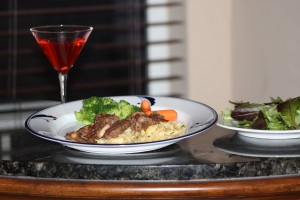
Serve over buttered noodles with a green vegetable for a gorgeous and flavorful company-worthy meal.
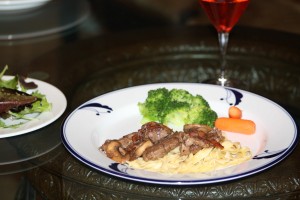
Oh, yum. See the martini?

There will be more to come  . . .  we’ll talk soon!

December 22nd, 2008

Hanukkah Brisket

Hanukkah began at sundown yesterday and it’s in full swing right now.

And one of the meals often prepared at this beautiful holiday time is yummy, scrumptious, delectable brisket.

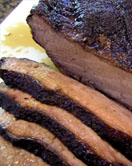
brisket

Giora Shimoni at About.com tells us the story of the Hanukkah brisket . . .

I don’t like to stereotype, but I think it is safe to say that a high percentage of Jews … love brisket.

Brisket is a cut of meat from the breast or lower chest. The term brisket usually refers to beef or veal.

While some – especially Texans – like to barbecue their briskets, in traditional Jewish cooking the brisket is braised as a pot roast.

How to Prepare Great Jewish Brisket

Buy good brisket meat (meat #3 in Israel). The brisket should have good marbling between white fat and dark colored meat. The fat should be distributed throughout the meat rather than just in one area.

Jewish brisket should be slow cooked. Whether the recipe is for a savory or sweet sauce, Jewish briskets taste best when slow cooked. In addition, there is less shrinkage of the meat at lower cooking temperatures.

Thirdly, it is very important to slice the brisket correctly. Brisket must be sliced thinly and sliced against the grain. If brisket is not sliced against the grain, it will be tough rather than tender.

Why Prepare Jewish Brisket for the Holidays

Jewish brisket is the perfect holiday entree for many reasons.

Brisket is best when prepared in advance. I cook my brisket a day before the holiday, slice it, and then store it in the refrigerator. Then just before serving, I heat the brisket. Brisket made in advance and allowed to sit tastes better than freshly made brisket. In addition, making the brisket in advance means less last-minute holiday prep work and less mess to clean up. My mother makes her holiday brisket a week in advance, and then stores it in the freezer until the holiday.

In addition, since Jewish brisket is generally cooked in a tightly covered roasting pan, it turns out tender and juicy. So, the meat does not dry out even when it is reheated on a hot plate on the second day of a Jewish holiday.

Lastly, when sliced thinly and served on a platter with gravy, brisket makes a festive entree. And brisket cooked in a sweet sauce is particularly fitting for the Jewish New Year.

Here’s a great recipe whether it’s for Hanukkah, another Jewish holiday — or for anyone any time of year!

Brisket in Wine Sauce

Prep Time: 9 minutes

Cook Time: 3 hours

Ingredients:

  • 1 (2 1/2 -pound) beef brisket, thick-cut
  • 1 tablespoon paprika
  • 1/2 teaspoon basil
  • 1 teaspoon salt
  • 1 teaspoon pepper
  • 3 medium onions, sliced
  • 2 cloves garlic, peeled, halved
  • 1 1/2 cups ketchup
  • 1 1/2 cups dry red wine
  • 1 1/2 cups water

Preparation:

1. Preheat oven to 325° Fahrenheit (165° Celsius).
2. Rinse brisket. Place in roasting pan.
3. Rub paprika, basil, salt and pepper into meat.
4. Scatter onions and garlic over meat.
5. In a medium bowl, mix ketchup, wine and water. Pour over brisket.
6. Cover pan tightly with aluminum foil, tenting so that the foil does not touch the meat.
7. Bake at 325° Fahrenheit (165° Celsius) for 3 hours, or until a digital instant-read thermometer inserted into the center of the brisket reads 190° for well done.

YIELD: 8 servings

SOURCE: Quick and Kosher: Recipes from the Bride Who Knew Nothing, by Jamie Geller. Recipe reprinted with permission from Feldheim Publishers.

Photo courtesy of SmokinTex.com.


December 18th, 2008

Kwanzaa Delights

moroccansteak

My son is in first grade and his class has been studying different holidays people celebrate around this time of year.

I’ve enjoyed learning along with him about the ways people come together and celebrate.

I’ve zeroed in on Kwanzaa because, well, it’s really cool. Here’s a little background info from ChefMom.com:

Kwanzaa, celebrated by some African Americans, is a holiday which has gained in popularity in recent years. It came out of the 60s cultural revolution that set off an interest in African history, music, art and a growing sense of black consciousness.

Kwanzaa, which means “first fruits of the harvest,” is celebrated for seven days from December 26 through January 1. It is a cultural, rather than religious, holiday. Each day is celebrated, generally by a gathering of family and friends. Participants discuss and commit to seven guiding principles, one each day. A candle is lighted each day. The first day starts with a black candle – it represents African American people in unity. The next six days alternate between lighting a red candle, representing struggle, and a green candle, representing a “green future.” A feast is held on December 31 for sharing, remembering, reassessing and rejoicing. ~Bev Whitfield and Kathleen Wilson

Now, we celebrate Christmas at our house but I’m loving learning the cool things others do at their houses.

And naturally, ’cause I like to eat, I wanted to know just what they eat at this feast. So, here’s a Kwanzaa recipe we ALL can celebrate!

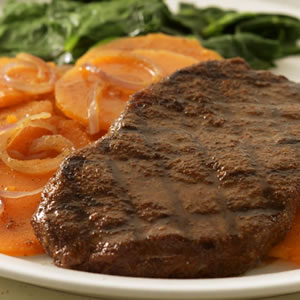
Moroccan-Rubbed Grilled Steak and Sweet Potatoes

From EatingWell Magazine April/May 2006

A Moroccan-inspired spice rub coats the steaks and is tossed with the sweet potatoes as well. The foil-packet cooking method for the sweet potatoes yields excellent results (and fewer dishes). Make it a Meal: Sautéed greens, such as arugula, kale or spinach, and a glass of Zinfandel round out the meal.

Makes 4 servings

ACTIVE TIME: 25 minutes

TOTAL TIME: 35 minutes

EASE OF PREPARATION: Moderate

1 teaspoon ground allspice
1 teaspoon ground cumin
1 teaspoon ground ginger
1 teaspoon kosher salt
1/2 teaspoon ground cinnamon
1/2 teaspoon ground coriander
1/2 teaspoon cayenne pepper
1 pound strip steak, trimmed of visible fat and cut into 4 portions
2 medium sweet potatoes (about 1 pound total), peeled and very thinly sliced
1 medium red onion, halved and very thinly sliced
4 teaspoons canola oil
1 teaspoon freshly grated orange zest

1. Preheat grill to high.
2. Combine allspice, cumin, ginger, salt, cinnamon, coriander and cayenne
in a small bowl. Sprinkle steaks with 4 1/2 teaspoons of the spice mixture. Toss sweet potatoes and onion with canola oil, orange zest and the remaining spice mixture.
3. To make a packet, lay 2 24-inch sheets of foil on top of each other (the double layers will help protect the ingredients from burning); generously coat the top piece with cooking spray. Spread half of the sweet potato mixture in the center of the foil in a thin layer. Bring the short ends of foil together, fold over and pinch to seal. Pinch the seams together along the sides to seal the packet. Repeat with two more sheets of foil and the remaining sweet potato mixture.
4. Place the packets on the hottest part of the grill and cook, switching the packets’ positions on the grill halfway through cooking, 5 minutes per side. Place the steaks in the front or back and cook, turning once, about 3 to 4 minutes per side for medium-rare. Transfer the steaks to plates and let rest while the packets finish cooking. Open the packets (be careful of steam) and serve alongside the steaks.

NUTRITION INFORMATION: Per serving: 337 calories; 18 g fat (6 g sat, 8 g mono); 69 mg cholesterol; 20 g carbohydrate; 22 g protein; 3 g fiber; 347 mg sodium; 480 mg potassium. Nutrition bonus: Vitamin A (220% daily value), Zinc (26% dv), Vitamin C (20% dv).
1 Carbohydrate Serving
Exchanges: 1 starch, 3 medium-fat meats, 1 fat

Recipe and photo courtesy of EatingWell.com.


You are currently browsing the archives for the Cooking & Grilling Tips category.

Subscribe

Subscribe in a reader
(or) Subscribe via Email


About Me

Hi! My name is Dena P., and I love steak. In fact, I’ve been on a quest for the perfect steak for a few years now.

I love experimenting with food and I like to get my family, friends and neighbors involved. They add a lot to my cooking experience by helping me perfect techniques and sharing recipes.

Read More About Me »

Steak Widget

Archives