October 30th, 2008

Spooky Sloppy Joes

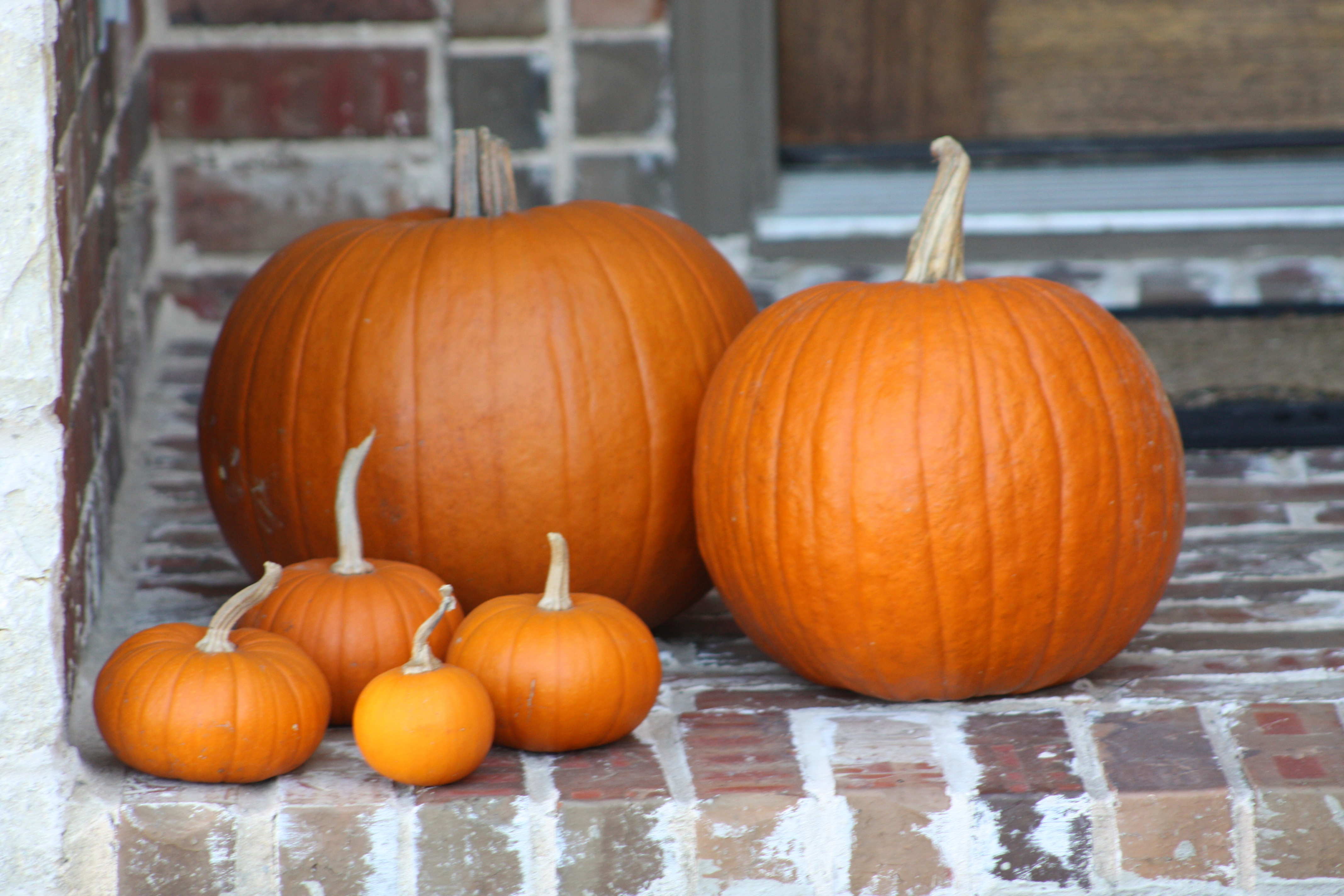
One more day until Halloween! Are your li’l punkins ready?

Here’s another great meal idea for this fun holiday from the Texas Beef Council. Be sure to read the Suggestions section for cute sandwich topper ideas like a black olive spider, cheese curl devil horns and green onion broomsticks.

What fun!

SPOOKY SLOPPY JOES

Ingredients

1 lb. ground beef
1 small onion, chopped
1/2 cup chopped orange bell pepper
1 can (8 oz.) tomato sauce with basil, garlic and oregano
1/2 cup chili sauce
1 Tbsp. Worcestershire sauce
1/2 tsp. salt
1/8 tsp. pepper
4 Kaiser rolls, split

Instructions

Brown ground beef with onion and bell pepper in large nonstick skillet over medium heat 8-10 minutes, or until beef is no longer pink, breaking up into 3/4-inch crumbles. Pour off drippings. Stir in tomato sauce, chili sauce, Worcestershire sauce, salt and pepper. Cook an additional 3 minutes or until heated through; stirring occasionally.

Spoon equal amounts of beef mixture on bottom half of each roll. Decorate beef mixture or roll tops with vegetable decorations, as desired (see below). Close with top half of each roll.

Suggestions

To make one spider: Cut pitted black olive in half lengthwise and place each half slightly overlapping in center of ground beef mixture or on center of roll top. Slice orange bell pepper into eight 1/4-inch thick strips. Place strips in spoke fashion around olive to make legs. Cut two small pepper pieces to make antennas. Place above olive slices.

To make jack-o-lantern face: Cut out pumpkin shape from Cheddar cheese slice with cookie cutter. Using small thin-bladed knife, cut out mouth, nose and eyes from pumpkin shape. Place cheese cutouts on top of ground meat mixture or on roll top.

To make cheese curl devil horns: Insert two cheese curl snacks vertically into roll top.

To make green onion broomsticks: Cut off the root end of green onion with small thin-bladed knife. Carefully cut thin slits 1/2-inch deep lengthwise into the white part of the onion. Soak sliced part of onion in cold water so ends curl up. Place on plate with Spooky Sloppy Joe.

October 24th, 2008

Béarnaise, Anyone?

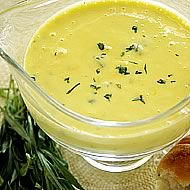
One of Sandy’s suggestions for a lovely accompaniment to the elegant Chateaubriand is a savory béarnaise sauce.

It’s a traditional sauce for any kind of steak or beef, but it’s especially appreciated on a beautiful cut of beef like Chateaubriand.

Here’s what she said . . .

A quick béarnaise recipe adapted from Craig Claiborne’s The New York Times Cook Book: (the tarragon reduction is exactly what I remember from making this sauce in much larger quantities in cooking school).

2 tablespoons white wine

1 tablespoon tarragon vinegar

2 teaspoons chopped fresh tarragon

2 teaspoons chopped shallot or onion

1/4 teaspoon pepper

In a small saucepan, bring the ingredients above to a boil and cook until almost all of the liquid disappears.  This will only take a few minutes, and will be very strong smelling (i.e. don’t put your nose directly over it).  This is the typical flavoring agent of béarnaise and can be added to 1 cup of your favorite hollandaise, or use the following to create that:

Place 3 egg yolks, 2 tablespoons lemon juice, 1/4 teaspoon salt and a pinch of cayenne pepper in a blender container.  Combine by pulsing the motor on and off until combined and frothy.  Never let acid (lemon juice) or salt sit on raw egg yolks without mixing them in – it will “cook” the egg yolks and give you unwanted lumps in your sauce. 

Add one stick unsalted real butter to the herb mixture sauce pan and heat to bubbling, not browning.  Remove from heat.

Turn the blender back on and blend the egg yolk mixture until frothy and lighter colored, then with the blender running carefully add the hot herb/butter mixture to the yolks and blend on high speed for 4 seconds. 

Remove to clean thermos container unless you are ready to serve immediately.

This sauce cannot be reheated, or it will break (separate).

Very traditionally, this sauce would be served alongside the Chateaubriand in the (cooked and warmed) heart of an artichoke for each person. 

I love how Sandy always walks me through the landmines I might encounter — like putting my nose directly over the bubbling sauce. I would have totally done that.

And the storing of the sauce in a thermos until the meal is ready to be served is pure genius. I would not/could not have come up with that sauce-saving technique.

Try this graceful sauce served in lovely artichoke hearts with your next beef-featured meal and let me know how it turns out for you!

Photo courtesy of uktv.co.uk


October 22nd, 2008

Chateaubriand with Duxelles

Today I bring you another installment from my Jedi master of cooking, Sandy. Check out this post to get the whole story on our journey through Chateaubriand-land.

In this episode, Sandy sends me advice on how to prepare my Chateaubriand stuffed with duxelles.

She didn’t send it by way of Jedi mind tricks — just good ‘ol e-mail.

-Chateaubriand may be split and stuffed with duxelles (a mushroom and herb mixture) before cooking.  Finely dice about 1/2 pound of mushrooms, either white or shiitakes or a combination of your favorites.  Use a food processor if you want, little pieces are good, just not paste.  Finely mince 1 shallot, saute in 1 tablespoon butter in medium skillet until translucent.  Add mushroom mixture, 1/2  teaspoon salt and a few grinds of pepper and cook over medium high until the mushrooms give off their liquid and the liquid cooks off and they look dry again.  Remove from heat.  Add 1-2 chopped herbs, such as Italian parsley if desired.  Let cool to room temp.   Meanwhile, use a sharp knife to cut a 1 inch slit down the length of the meat.  Add the cooled mushroom mixture and roll back into roast shape, tying as necessary. 

-Then roast at a high temperature (450) to medium doneness (or less).  I would only use olive oil, salt and pepper to season.  You may tie rosemary in the trussing string which would give it a little herbal taste.   Rare is 125-130.  Medium is 140.  Use an instant read thermometer or better yet, an electronic (ie the Polder) with the probe stuck in the middle the whole time.  After about the first ten minutes, baste the roast with addl olive oil or pan juices if it looks dry.  Toss the shallots (if you chose to create a bed of them on the bottom of the pan) to promote even browning.  A 2.5 pound roast should take about 30-40 minutes to reach rare doneness. 

A duxelles will give your Chateaubriand more texture, interest and flavor. And, man, will your guests be impressed. For more on duxelles, including alternate recipes and uses, check out its Wikipedia description here.

Bon Appetit!


You are currently browsing the archives for the Other Foods category.

Subscribe

Subscribe in a reader
(or) Subscribe via Email


About Me

Hi! My name is Dena P., and I love steak. In fact, I’ve been on a quest for the perfect steak for a few years now.

I love experimenting with food and I like to get my family, friends and neighbors involved. They add a lot to my cooking experience by helping me perfect techniques and sharing recipes.

Read More About Me »

Steak Widget

Archives